Showing posts with label 2012. Show all posts

Friday, 10 May 2013

New Story - Zoo seeks mate for 'gorgeously ugly' fish.


So London Zoo is in a desperate need for some females of the species of Mangarahara Cichlid (Ptychochromis insolitus). This species is extinct in the wild and only 3 males are in zoo collections, 2 at London Zoo and the other in Berlin Zoo. There was a female at Berlin, however when they attempting breeding the two the male killed the female. So London Zoo is now appealing to private collectors to see if there are any females out there. 

Here are the photos from the BBC News site (linked below):

cichlid
Male


Cichlid
Female
Do you think this fish is ugly? I personally think that it isn't ugly at all and that the beautiful colours shine perfectly.

I find it interesting that they call this fish 'gorgeously ugly', it made me think. Does the appearance of the animal and how human perceive it effect its chances of being saved from extinction? For example, if the Giant Panda (Ailuropoda melanoleuca), naturally had patchy fur or was hairless or just seen as 'bad looking', would it be extinct by now? I am not suggesting this is the reason that this fish is now on the verge of extinction but it could be one of the factors and maybe one of the reasons it could be difficult to find one in private collections. 

Now people who know me, know that I love weird and wonderful things, which includes things that generally people would shy away from. For example, as pets I had hairless rats, a lot people were disgusted at them and would at times ignore me because I kept them. It has been found that peoples preceptions of an animal will have a large effect on how popular that animal is, one study done in Australia found that animals which people found attractive, intelligent and that they thought had character were more popular (Woods, 2000). 

So is there any way we can change this? How do we change peoples perceptions of animals that need conserving and need support from the general public? Zoos try to educate a lot of people about the wide range of animals they have and their various conservation statuses. Even though I think this is a good idea and will help encourage people to look beyond the looks of an animal and focus on its role in its ecosystem and the importance it has to help stop another place being stripped of biodiversity, I am not sure this is enough.

More advertisement of various animals, not just the ones that make you go "aww.." but they ones that make you ponder and make you realise that every creature counts and it makes a difference to their environment, no matter if they are a tiger, fly, panda or a fish.

So do you think this is true? What would you do to try and improve this situation?


References

Woods, B. (2000). Beauty and the beast: preferences for animals in Australia. Journal of Tourism Studies, 11, 25-35. 

BBC News: http://www.bbc.co.uk/news/science-environment-22468206

Extra Reading

Fenton, D.M. and Hills, A.M. (2007). The percerption of animals amongst animal liberationists and hunter. Australian  Psychologist, 23, 243-57.

Schlegel, J. & Rupf, R. (2010). Attitudes towards potential animal flagship species in nature conservation: A survey among students of different educational institutions. Journal for Nature Conservation, 18, 278-90.  

Tuesday, 9 April 2013

News Story - Primate calls give clues to human speech

So it has been found that the Gelada (Theropithecus gelada) call contains a 'wobble' which may be similar to that made my primitive humans. 

So lets have more information about the Gelada (Theropithecus gelada). There are two subspecies that have been described: T. g. gelada and T. g. obscurus. They are found in Ethiopia and restricted to the high grassland. They are widespread throughout their range, which means they are of least concern on the ICUN red list.

The 'wobble' is thought to sound something like a cross between a yodel and a baby's gurgle. This can be heard on the link (below) for the article on the bbc site. This may show us some link to how speech evolved in our ancestors. The complexitiy of the vocal chords isn't found in any primates bar humans. This 'wobble' along with "lip-smacking" that has been found in some primates could have allowed us to speak. 


The question that I find myself thinking is that do you think that if we hadn't evolved the ability to speak and communicate properly with each other. would we be where we are now?  Would we have evolved another way to communicate? A thought to ponder on. 

References:
http://www.bbc.co.uk/news/science-environment-22067192 (News Story)

http://www.cell.com/current-biology/retrieve/pii/S0960982213002091 (Actual paper)

http://www.iucnredlist.org/details/21744/0 (ICUN Red List on the Gelada Baboon)

Saturday, 30 March 2013

New Story - Butterfly Population in 2012


Butterfly population for 2012 in the UK

I am going to try and discuss a news story at least every 2 weeks. How much detail I will go to, will depend on how much time I have throughout the week.

My first news story is on the populations of Butterflies throughout 2012. 

Let's face it 2012 was a pretty dull year, we had few weeks or so of lovely weather in May but apart from that the rest was cold, wet and with not a hint of snow (but I think 2013 has made up that!). Last years summer was the second coolest since 1998 (first being 2011, but only by 0.2°C). The average temperature for the summer (Jun-Aug) last yes was -0.4°C below the average from the years 1981-2010, which may not seem like a huge deal, but this could be a huge problem for native insects and flora. Which then can lead to problems for birds and other animals that rely on them for food. As well as the drop in temperature there was a lot of rain! So much that the UK had a total of 371mm, this is wettest summer, bar 1912 (284mm), since 1910! 

So how did this effect the butterflies?

With the rain and the cold it became difficult for them to find food, shelter and mates. Here are some of that stats given in the story about certain butterfly species, the percentages the change in the population numbers when compared to 2011:

  • Black Hairstreak (Satyrium pruni) fell by 98% 
  • White-letter Hairstreak (Satyrium w-album) fell by 71%
  • Brown Fritillary (Argynnis adippe) fell by 46%
  • Common Blue (Polyommatus icarus) fell by 60&

However, not all species suffered during this year. Some had a population increase, these include the Meadow Brown (Maniola jurtina), whose numbers increased by 8893. This species along with Gatekeeper (Pyronia tithonus) and Marbled white (Melanargia galathea). This is believed to be because they are grass feeding species, with the dry start to the year followed by the heavy rains grass grew very well. Even though this a good sign that some species can cope it was only 4 out of 56 that saw an increase. 

The question is how will they fare this year? So far there has been cold snaps and a lot of snow that could prohibit or delay the growth of some the plants that the butterflies need. Even grass may suffer a little. It could be a case that many larvae have died throughout this time! Since many organisms base their biological clocks on the length of day (which remains pretty much constant each year) some may have hatched and not had any food. How the butterflies have coped will be worked out in annual surveys done by the leading organisations. 

My concern is that not only will our butterflies decrease in population size but other insects as well. The bees are already suffering, with honeybees having a lot of trouble at the moment. We need our insects to be in healthy numbers to keep all our ecosystems going and support all other forms of life. I am not sure on the situation for insects from around the world but I think it has got to the point were most speices need our help to maintain the populations. I know that not everybody is a huge fan of our 6 legged friends but I think everyone needs to know how important they are to our world. 

If you do want to get involved and do your bit there are several things you can do. If you have a garden and are keen to help you can plant insect friendly flowering plants that will keep you garden busy throughout the summer. You can also take part in the surveys, you don't have to be experienced there are identification guides to help. I will put some links below so you can go and investigate. 

Hope you enjoyed reading =)

Sources:
http://www.metoffice.gov.uk/climate/uk/anomalygraphs/
http://www.metoffice.gov.uk/climate/uk/2012/summer.html
http://www.bbc.co.uk/news/science-environment-20983930
http://www.bbc.co.uk/news/science-environment-21934075

Extra Reading:
UK Butterfly Monitoring Scheme (http://www.ukbms.org/Default.aspx)
Butterfly Conservation [I did a survey for these last year] (http://butterfly-conservation.org/)
The British Beekeeping Associatino (http://www.bbka.org.uk/learn/gardening_for_bees)
Chigwell Nursery (http://www.chigwellnursery.co.uk/Site/Bee_Friendly_Plants.html)
UK Flowering Plants (http://www.ukbutterflyplants.co.uk)

Monday, 18 February 2013

London

Big Ben!
 London 2012

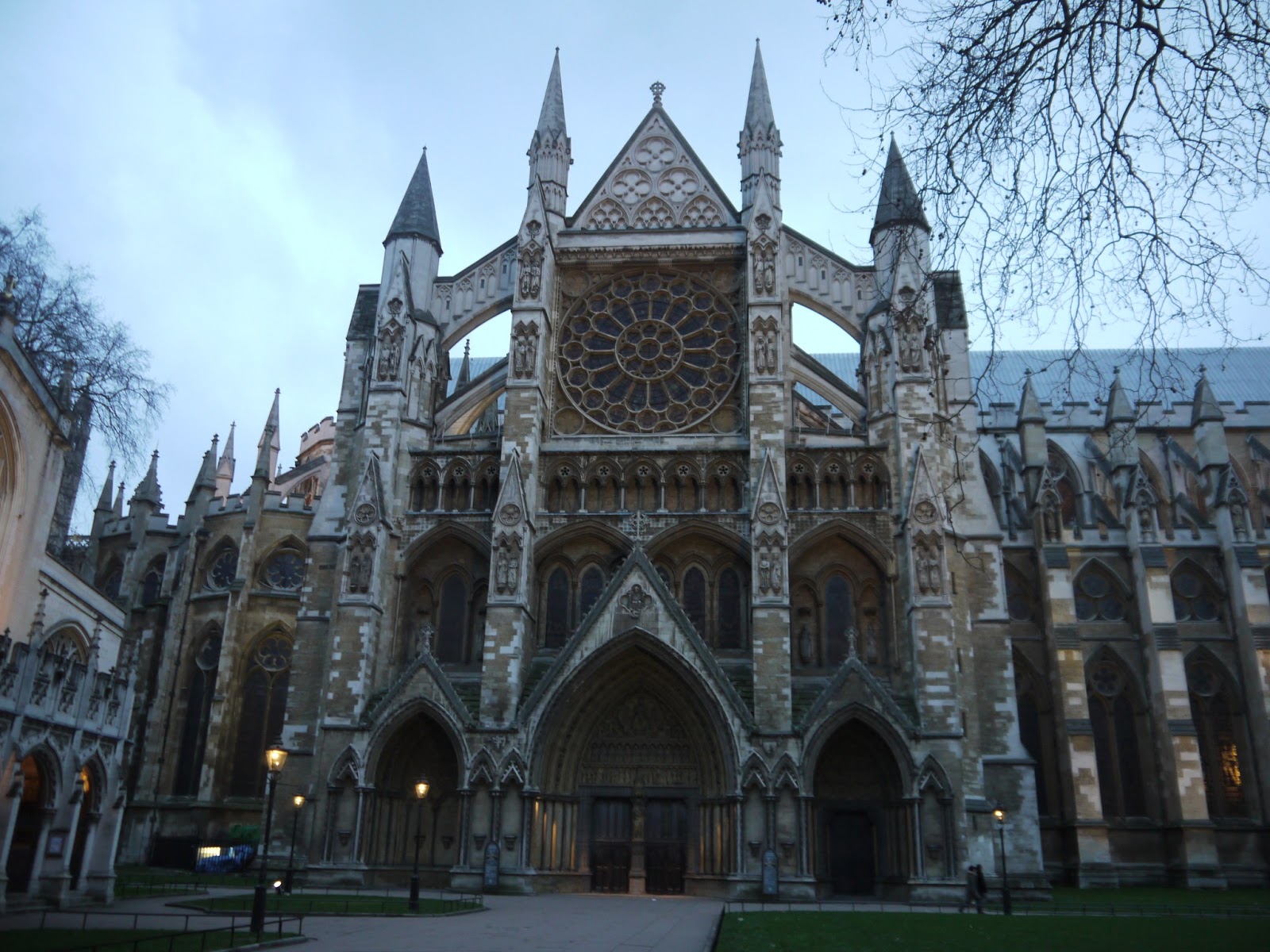
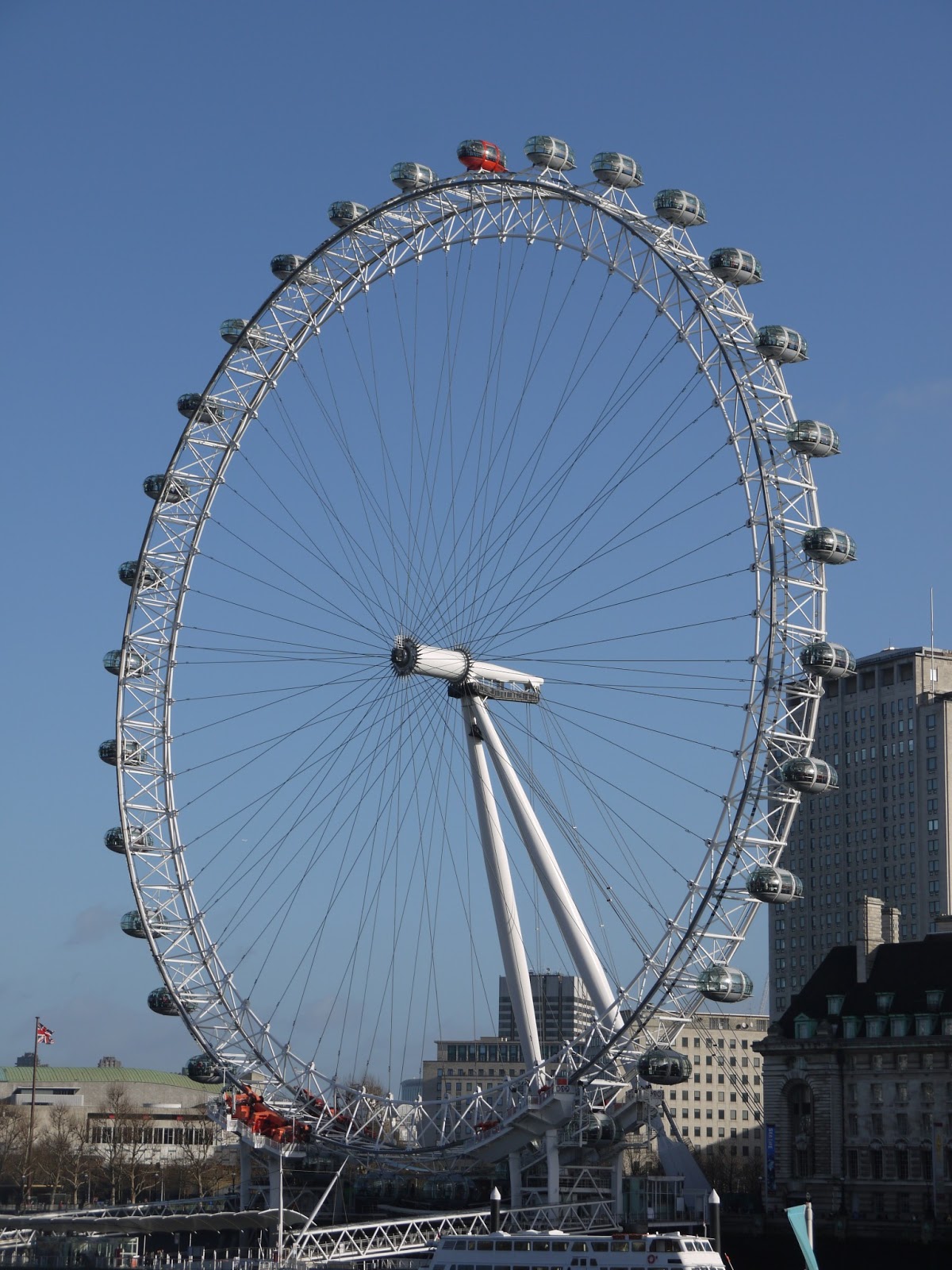
Me and boyfriend went away for a weekend to London, we stayed at the Premier Inn in Victoria. On the first night there we went for a little walk to see what sights were about. We got to see the houses of parliament and Big Ben. Along with Westminster Abbey and the London Eye. It was a bit gloomy but it was a nice walk. Afterwards we went to Leicester Square for some food (some awesome restaurants there!) and to see The Hobbit in 3D and HFR. It was amazing!! The Italian restaurant served gorgeous food.

Westminster Abbey


Westminster Abbey

The next day we went to the Natural History Museum, which was just pure nerd heaven for me! There was a lot of things to look at. One of the best rooms was the mammal room, it had a life size replica of a Blue Whale (Balaenoptera musculus). However, we didn't get a chance to go into the Dinosaur room. If we had known how busy it was going to get I think we would of looked at that section first. But I so plan to go back one day and manage to look at it all. 
Natural History Museum
On the last day we had planned to go to the Sea Life Aquarium, however because the weather was so nice. My boyfriend decided that it would be a better idea to go for a walk and look at all the sites rather than spend it indoors. At first I was a bit iffy about the plan but it was the best idea. We went for a stroll and saw several of the sights. We found a classic little sweet shop called Hardy's. It was lovely..so many good sweets. Some of the sights we saw were; Trafalgar Square, St. Paul's Cathedral and Buckingham Palace. 


London Eye
St. Bride's Church
The Mall


Buckingham Palace

Trafalgar Square

St. Pauls Cathedral